White Belt Wisdom: Six Lessons to Live By as a White Belt in BJJ
#1. Just Show Up
Jiu-Jitsu isn’t about who’s best. It’s about who’s left. The sport has a truly eye-watering attrition rate, with an estimated 90% of all white belts dropping out before they make blue belt. Even against such odds, you may not be out of the woods yet, as many as 80% of blue belts may succumb to the dreaded ‘blue-belt blues’ and drop out before they ever make purple belt. Things seem to improve slightly from there out, but while there is no single source of truth in the matter, it is estimated that fewer than 1% of all BJJ practitioners ever achieve their black belt.
People drop out for their own reasons: injuries (to one’s ego or otherwise), busy schedules, work, family lives, new romantic partners who don’t share the same passion for aggressive pyjama wrestling… sometimes life just gets in the way.
But if you keep showing up, through bad rounds, bad weeks, or even bad belt grades, you will slowly but surely improve. Consistency beats talent every single time in this sport, because the only true way to learn is to get a bit of an arse-kicking from time to time, and at the start, it will be all the time. I put this lesson first because, for me (as a hobbyist purple belt with around five years of experience), it was the best lesson to remind myself of. After every tough session, after every post-training car ride home in silence, it was something I could easily turn to.
Now, it is true that as you develop, your training will have to be more focused and well-thought-out. You cannot simply keep turning up and spamming the same move week in, week out. But for now, as a new white belt, the best thing you can do is just to make sure you keep turning up; all else will follow.
#2. Position Over Submission
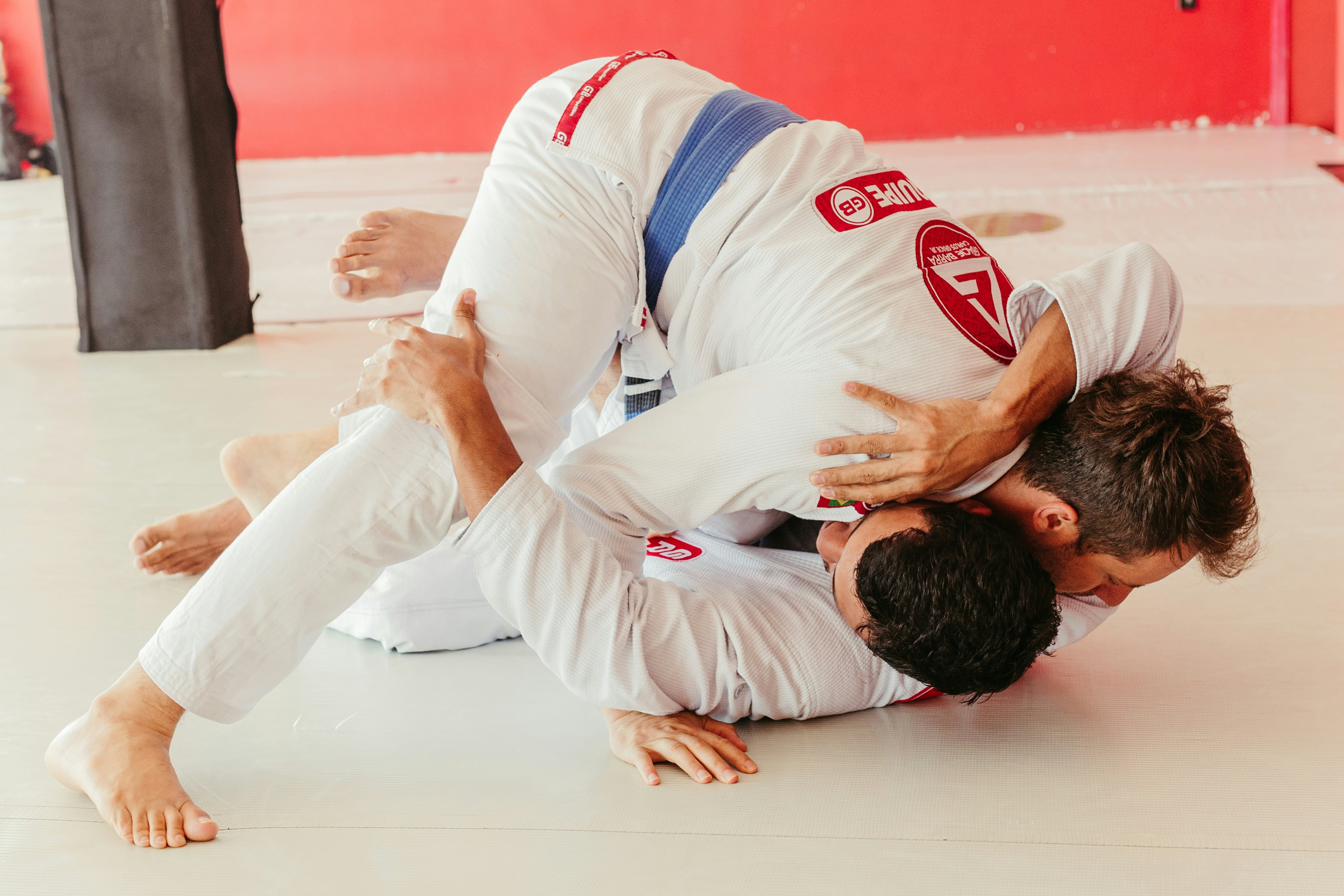
Every new beginner to BJJ wants the submission. The armbar. The triangle. The twister (straight to jail). The submission that gains the coach’s nod of approval. It certainly makes sense, as comparing who you can and cannot tap out forms an easy rule of thumb for how well you think you are progressing compared to your peers. But throwing away a dominant position for a risky, flashy Youtube-meets-McDojo flying armbar finish, is not the way to go.
One of the best pieces of advice I ever received was not to be afraid of the possibility of getting caught by the odd submission. Rather, focus on not getting controlled for the entire round. Now that is a real class difference.
Learning how to control someone and anticipating their moves from position to position is a much more intelligent overarching goal than hitting submissions and keeping mental notes like notches on your bedpost. Not only will you become a more well-rounded athlete, but by suitably controlling your partner, you can cook them slowly, force mistakes, and increase your likelihood of submission success over the long term. Remember, short of stalling in a competition, you are under no obligation to give up dominant positions, it is up to your partner to try to escape, and that is your time to hone your submission prowess, not before.
#3. Principles Beat Methods
Learning a million-and-one separate techniques or methods may sound like progress. Some practitioners go so far as to collect them like tourists in a souvenir shop. More is better, right?
Wrong.
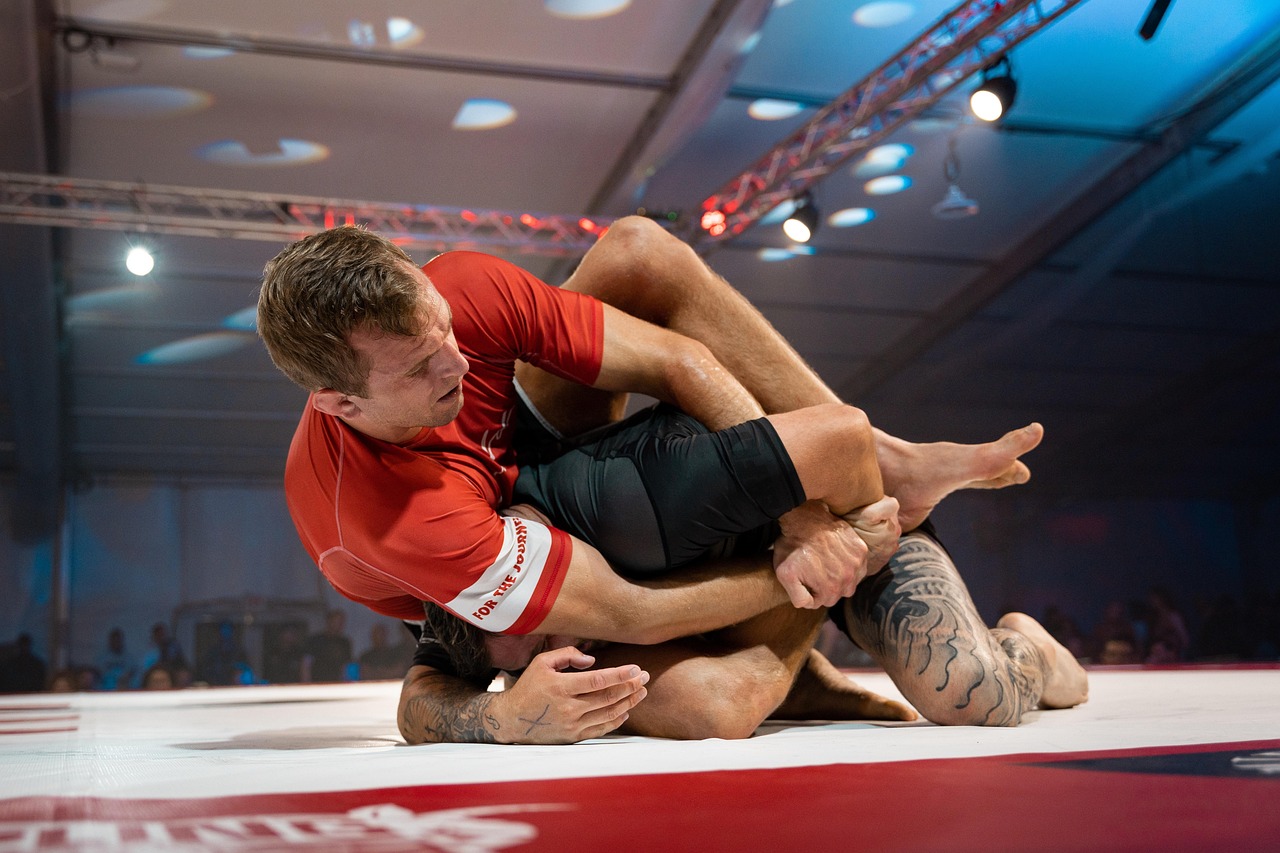
While having a million submissions in your locker might sound like progress, trying to memorise said techniques without understanding why they work, is a bit like learning all of the words in the dictionary without being able to speak the language.
Instead focus on broad principles that allow you to start developing broad patterns that you can recognise in the moment. Here are some of my favourite from over the years:
- Where the head goes, the body follows - great for breaking down opponents and weakening them in side control, but also understanding why half-nelsons, and cow-catchers are so effective even against bigger opponents.
- He who controls the breathing, controls the round - A perfect test of self-awareness and restraint, when all you want to do is go weapons-free at open mat. Are you breathing heavier or are they? If it’s you…things are going to get rough. Fast.
- Base before movement - If you’re new to BJJ, it is easy to miss. But advanced belts make every single move (regardless of how fast or explosive they are) with a solid base first. Like a drunk on a tightrope, nothing good happens when you try to take that next step from a wobbly base. Think about your posture at all times, because believe me, your opponent is.
- Inside position beats outside position - While there are advanced exceptions to this rule, if in doubt, it pays to establish your grips, posts, hand and foot placements inside your opponent’s rather than outside.
#4. You Are Supposed to Lose Learn (A Lot)
They often say that in BJJ you either win or learn - rather than lose - during each round. If that’s the case, you’re going to be learning a lot! Getting tapped or simply controlled for entire rounds at a time is exactly what you should expect when first starting out. Getting smashed may be utterly soul destroying, until you realise it’s valuable feedback to be treated as data rather than a sour reflection on your dwindling self-worth. Generally speaking, those who achieve the most and go the furthest in BJJ stop measuring progress by wins very early on and start by measuring it by smaller victories:
- I controlled my breathing.
- I didn’t give my back up.
- I managed to reguard from a tough situation.
Progress in jiu jitsu is slow. Sometimes painfully. If you imagine every single round as a droplet of water in a glass, from the outside looking in, it looks like no progress at all. But taking the difficult rounds, putting yourself in tough situations, and methodically working to iron out each detail slowly is the only way these droplets start to amount to anything.
#5. Relax. This Isn’t a Fight to the Death
I, like many coloured belts, have rolled with my fair share of day-1, week-1 white belts, and the story is virtually always the same. They start by holding their breath, death gripping you like Sloth from The Goonies, before blowing up and using all of their energy within the first minute. This is fairly standard, and also incredibly inefficient. BJJ requires calmness and clarity of thought, with bursts of measured physicality and strength, only when necessary. The difference between a white belt round and two black-belts going at it is virtually night and day, with the former resembling an unsanctioned dog-fight and the latter more a tactical game of chess. Perhaps the biggest obstacle to effective jiu jitsu is being able to maintain that calmness in the moment, so that the brain engages effectively, precisely when it needs to. If anything, a more experienced training partner is simply able to engage their brain - and therefore their muscles - just a bit quicker than you can, which makes all the difference. For a brand new white belt, the first step on controlling your breathing, relaxation, and keeping your fight-of-flight response in check, starts with slowing things down as much as you can. Remember, slow is steady, steady is fast.
And if all else fails, remember the most important rule in BJJ:
#6. Tap early. Tap often. Show up next week.
So, how do you think we did? Are there any other lessons you would include?